Find your Master's degree in Europe
Filter by country, field of study, and language of instruction to shortlist graduate programs that actually fit your plan — not just the well-known names.
Explore European cities
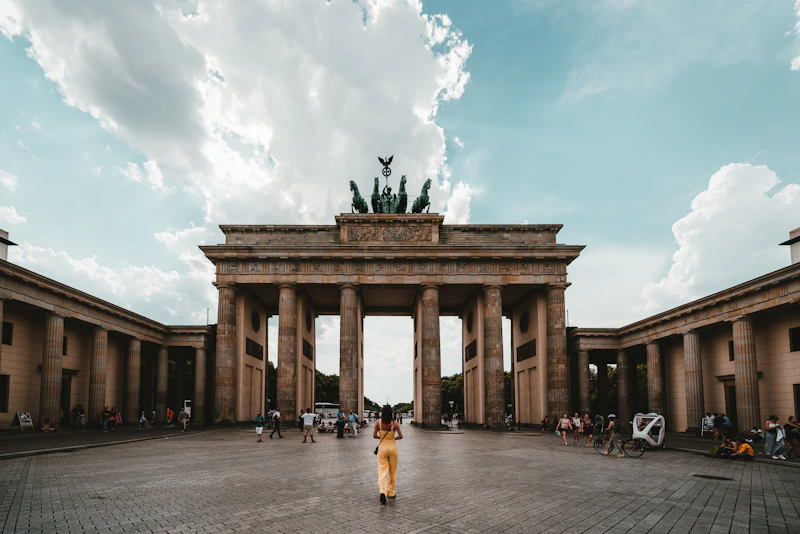



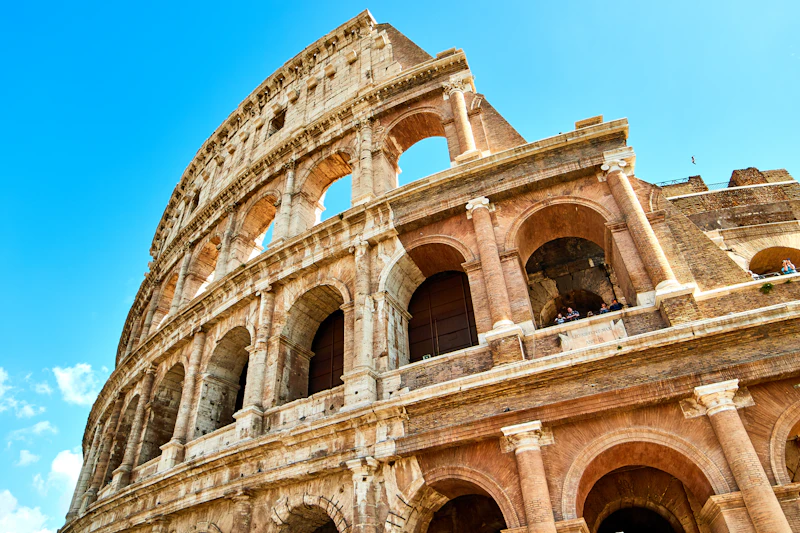



Browse by field of study









Universities in the catalogue
Programmes to explore now
How it works
Explore
Search by destination, subject, language, and tuition.
Compare
Shortlist your favourites. Compare tuition, duration, language, and entry requirements side by side.
Decide
Read student reviews, check visa info, and explore cities. Pick the programmes that fit you best.
Apply
Go directly to the university's application page. We link you straight — no middleman, no commission.



اتصل بنا / أبلغ عن خطأ
Search results
Archaeology - Master
Eberhard Karls Universität Tübingen · Tübingen, Germany
Program overview
The study program is not admission-restricted. To apply for the archaeological science program please follow the online application procedure on the University's website. Admission to the Master’s degree program in Archaeology is open to students who have completed a Bachelor’s degree program in an archaeological discipline, in a related discipline such as cultural studies (national) or in archaeology, anthropology, geosciences or history (international) with an above-average grade. Since the language of instruction and examination in the Master’s program is English, sufficient English language skills are required at the beginning of the program (level B2 GER). Skills in written and spoken German are helpful, but not mandatory. The Master of Arts in Archaeology offers a unique international, two-year degree in archaeology as a research- and practice-oriented course. Modules in various disciplines provide a variety of options for specialization within the wide range of archaeology represented in Tübingen. As a result, students can develop their own unique curriculum. At the end of their professional training, graduates are qualified archaeologists in both theory and practice and have an individual profile according to their research interests. The Master‘s program thus offers a range of opportunities for indivdually-developed and follow-up research options. The archaeological disciplines involved in the program are: Stone age archaeology, Later European prehistory, Near Eastern archaeology and archaeology of the southern Levant, Classical archaeology, Medieval and post-medieval archaeology / historical archaeology. The Tübingen Master‘s program in Archaeology is uniquely characterized by a broad study of archaeology on a global scale, ranging from the Stone Ages up to the Modern era; a methodological focus on material culture; a close connection with scientific methods; various elective options, and a strong research profile with an international orientation. Specializations are possible via a large number of optional modules. While the basic structure of the degree program is the same for all students, there is thus a wide range of choices both from the archaeological disciplines involved as well as from the archaeological sciences. In addition to a subject-focused study program, this also allows for a more broadly diversified education. Graduates have been trained in the disciplines of prehistoric, Near Eastern, biblical, classical, medieval and historical Archaeology and are also able to perform independent research in their respective fields. The close interconnection with archaeological sciences in particular qualifies students for interdisciplinary research at the interface between cultural and natural sciences.
Key facts
- Degree
- Master of Arts (M.A.)
- Duration
- 24 months
- ECTS credits
- 120
- Language
- English
- Application deadline (EU/EEA)
- 2026-09-15
- Application deadline (non-EU)
- 2026-07-15
- Starts
- October 2026 (Winter Semester 2026/27; WS 2026/27 lecture dates not yet published — typical start mid-October; SS 2026 term ran 13 April – 25 July 2026)
Required documents
Online application via ALMA portal with PDF uploads: Bachelor certificate including transcript of records (if not yet received: latest transcript; full certificate + final transcript due by end of 1st Master semester); for admission-restricted programmes additionally school leaving certificate/HZB; documents not in German or English must be translated by a sworn translator (upload both the original copy and the translation; copies need not be notarized). Higher-semester applicants: PDF application by e-mail (bewerbung-studienplatz@uni-tuebingen.de; internationals: study.master@uni-tuebingen.de) with application form, record of study achievements, degree certificate, transcript, current enrolment certificate, language proofs. Programme-specific: apply via the university's online application procedure; module handbook of the MA in Archaeology linked for course planning.
More programs at Eberhard Karls Universität Tübingen
Help & information
Clear answers about programme data, costs, and how to verify details before you apply.
Data accuracy & disclaimer
تنبيه: جميع المعلومات الواردة في هذا الموقع هي لأغراض إرشادية فقط، وقد تخضع للتغيير دون إشعار مسبق. يرجى مراجعة الصفحة الرسمية للبرنامج أو الجامعة قبل اتخاذ أي قرار. نحن لا نضمن دقة البيانات بنسبة 100%.
الأسئلة الشائعة
لا. البيانات مستخرجة من مصادر رسمية لكنها بتتغيّر كل موسم قبول، وبعض الأرقام لسه محتاجة مراجعة يدوية (وموضح عليها علامة "محتاج مراجعة"). دايمًا تأكد من الصفحة الرسمية للبرنامج قبل ما تاخد أي قرار.
لأ، الأرقام المعروضة (EU / Non-EU) هي رسوم الدراسة بس، مش شاملة السكن أو المعيشة أو التأمين الصحي. في صفحة كل برنامج فيه رابط لموقع Numbeo لتقدير تكلفة المعيشة في المدينة.
افتح صفحة البرنامج، دوس على "Visit program page" عشان تروح لموقع الجامعة الرسمي وتقدّم من هناك مباشرة، أو دوس "Talk to an advisor" لو عايز مساعدة قبل ما تقدّم.
الرقم المعروض هو رسوم الدراسة السنوية بس لغير مواطني الاتحاد الأوروبي، ومش شامل تأشيرة الدراسة أو السكن أو المعيشة أو التأمين الصحي — دي مصاريف منفصلة لازم تحسبها لوحدها.
مش كل برنامج فيه منحة، وده بيختلف من جامعة لتانية. أفضل مصدر موثوق للمنح المتاحة هو صفحة القبول الرسمية بتاعة الجامعة نفسها أو مكتب العلاقات الدولية فيها.
Image and university mark credits
Photographs and university marks remain the property of their respective creators and institutions. Their use follows the original source terms; removing a background does not remove those rights. Report a concern by emailing info@masterix.study.
Your next step, made clearer.
Tell us what you want. Discover programmes that fit your plan.