Find your Master's degree in Europe
Filter by country, field of study, and language of instruction to shortlist graduate programs that actually fit your plan — not just the well-known names.
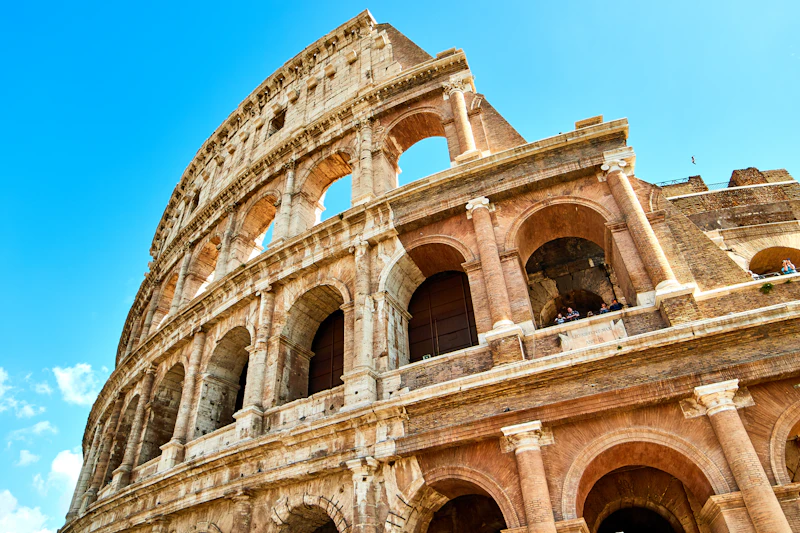
Explore European cities







Browse by field of study







Universities in the catalogue
Programmes to explore now
How it works
Explore
Search by destination, subject, language, and tuition.
Compare
Shortlist your favourites. Compare tuition, duration, language, and entry requirements side by side.
Decide
Read student reviews, check visa info, and explore cities. Pick the programmes that fit you best.
Apply
Go directly to the university's application page. We link you straight — no middleman, no commission.



اتصل بنا / أبلغ عن خطأ
Search results
Geoinformatics
Technische Universität Dresden · Dresden, Germany
Program overview
If, at the time of application, proof of the first degree qualifying the applicant for a profession is not yet available, the application will be considered under the precondition that 80% of the credit points attainable for the degree have already been achieved based on completed module examinations or the final thesis and the colloquium (if applicable). A certification from the awarding institute of higher education (examination office) serves as proof of the above-mentioned academic achievements. You can find the appropriate form on the Admissions Office website . General information about the degree program The Geoinformatics degree program is offered by the Faculty of Environmental Sciences of TU Dresden. The program enables students to acquire skills in developing and executing scientific and technological methods in geoinformatics. Geoinformatics is a subfield of applied computer science which focuses on the spatial bearing of data and finding answers to spatial questions. The goal is to develop and apply methods of computing to solve subject-specific issues in the geosciences, forest sciences and hydrosciences as well as in landscape, environmental and infrastructural planning, environmental medicine and other related disciplines. Geoinformatics forms the scientific foundation for navigation systems, geoinformation systems, spatial data infrastructure and other systems for spatial decision-making support and planning. It provides the technological basis for improving system understanding and for solving spatial issues relating to current topics such as climate change and sustainable management of natural resources at the local, regional and global level. The Geoinformatics Master’s degree program at TU Dresden covers in-depth foundational knowledge as well as current research and development trends in this field. The Master’s degree program offers the concentrations: • Geodata acquisition: Laser scanning, photogrammetry, optical 3D measurement techniques, GNSS, and remote sensing, as well as methods of data analysis and data integration; • Geodata services: Modeling, methods, and technologies for spatial data infrastructures, as well as the development of geoinformation services and web applications; • Geodata visualization: Methods of geovisual analysis and cartographic communication, techniques for automatic generalization, as well as mobile and field-based cartography. These concentrations are supplemented by content from computer science to expand methodological knowledge (e.g., virtual reality, (geo)databases, (geo)software development) as well as content from environmental sciences, which serve as a key application area of geoinformatics (e.g., environmental risks, spatial planning). In-depth seminars and projects focus on the latest research topics in geoinformatics (e.g., sensor networks, GI usability, web-based decision support applications, geodata fusion, etc.).
Key facts
- Degree
- Master of Science
- Duration
- 24 months
- ECTS credits
- 120
- Language
- English
- Application deadline (EU/EEA)
- 2026-12-01
- Application deadline (non-EU)
- 2027-06-01
- Starts
- Per programme (typically October for winter / April for summer intake)
Required documents
Bewerbungsantrag (auto-generated at the end of the online application); Tabular CV; Copy of passport (page with name and photo) or ID card; Scans of originals or certified copies + certified translations (German or English) of: secondary school leaving certificate with subject/grade overview; University entrance examination certificate (if applicable); Transcripts of all study years (if studies started); Degree certificate and transcripts (if degree completed); Proof of German language skills (except English-taught Master's); For Master's with pending first degree: certificate of expected graduation + '80% certificate' with current average grade; Original APS certificate (applicants with Chinese, Vietnamese or Indian educational certificates); Programme-specific documents (e.g. aptitude assessment application, motivation letter, language proofs, internship proof)
More programs at Technische Universität Dresden
Help & information
Clear answers about programme data, costs, and how to verify details before you apply.
Data accuracy & disclaimer
تنبيه: جميع المعلومات الواردة في هذا الموقع هي لأغراض إرشادية فقط، وقد تخضع للتغيير دون إشعار مسبق. يرجى مراجعة الصفحة الرسمية للبرنامج أو الجامعة قبل اتخاذ أي قرار. نحن لا نضمن دقة البيانات بنسبة 100%.
الأسئلة الشائعة
لا. البيانات مستخرجة من مصادر رسمية لكنها بتتغيّر كل موسم قبول، وبعض الأرقام لسه محتاجة مراجعة يدوية (وموضح عليها علامة "محتاج مراجعة"). دايمًا تأكد من الصفحة الرسمية للبرنامج قبل ما تاخد أي قرار.
لأ، الأرقام المعروضة (EU / Non-EU) هي رسوم الدراسة بس، مش شاملة السكن أو المعيشة أو التأمين الصحي. في صفحة كل برنامج فيه رابط لموقع Numbeo لتقدير تكلفة المعيشة في المدينة.
افتح صفحة البرنامج، دوس على "Visit program page" عشان تروح لموقع الجامعة الرسمي وتقدّم من هناك مباشرة، أو دوس "Talk to an advisor" لو عايز مساعدة قبل ما تقدّم.
الرقم المعروض هو رسوم الدراسة السنوية بس لغير مواطني الاتحاد الأوروبي، ومش شامل تأشيرة الدراسة أو السكن أو المعيشة أو التأمين الصحي — دي مصاريف منفصلة لازم تحسبها لوحدها.
مش كل برنامج فيه منحة، وده بيختلف من جامعة لتانية. أفضل مصدر موثوق للمنح المتاحة هو صفحة القبول الرسمية بتاعة الجامعة نفسها أو مكتب العلاقات الدولية فيها.
Image and university mark credits
Photographs and university marks remain the property of their respective creators and institutions. Their use follows the original source terms; removing a background does not remove those rights. Report a concern by emailing info@masterix.study.
Your next step, made clearer.
Tell us what you want. Discover programmes that fit your plan.